
 Português (BR)
ONLINE 24/7
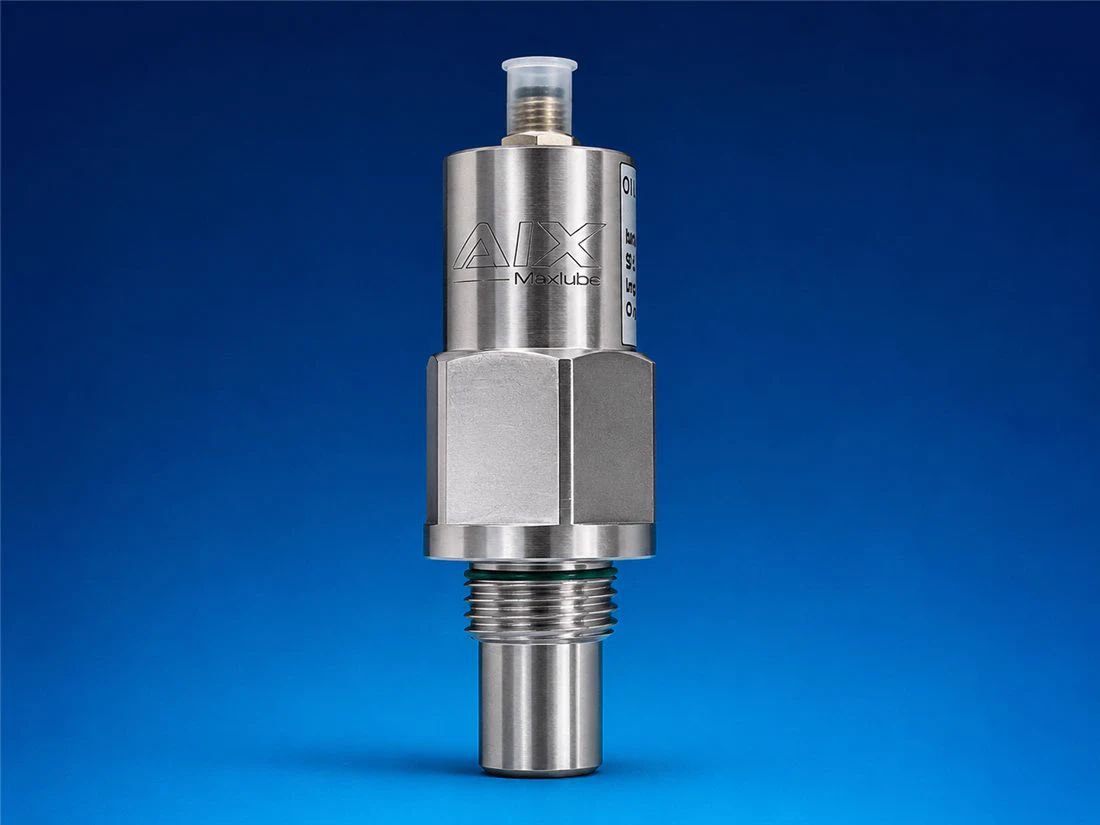
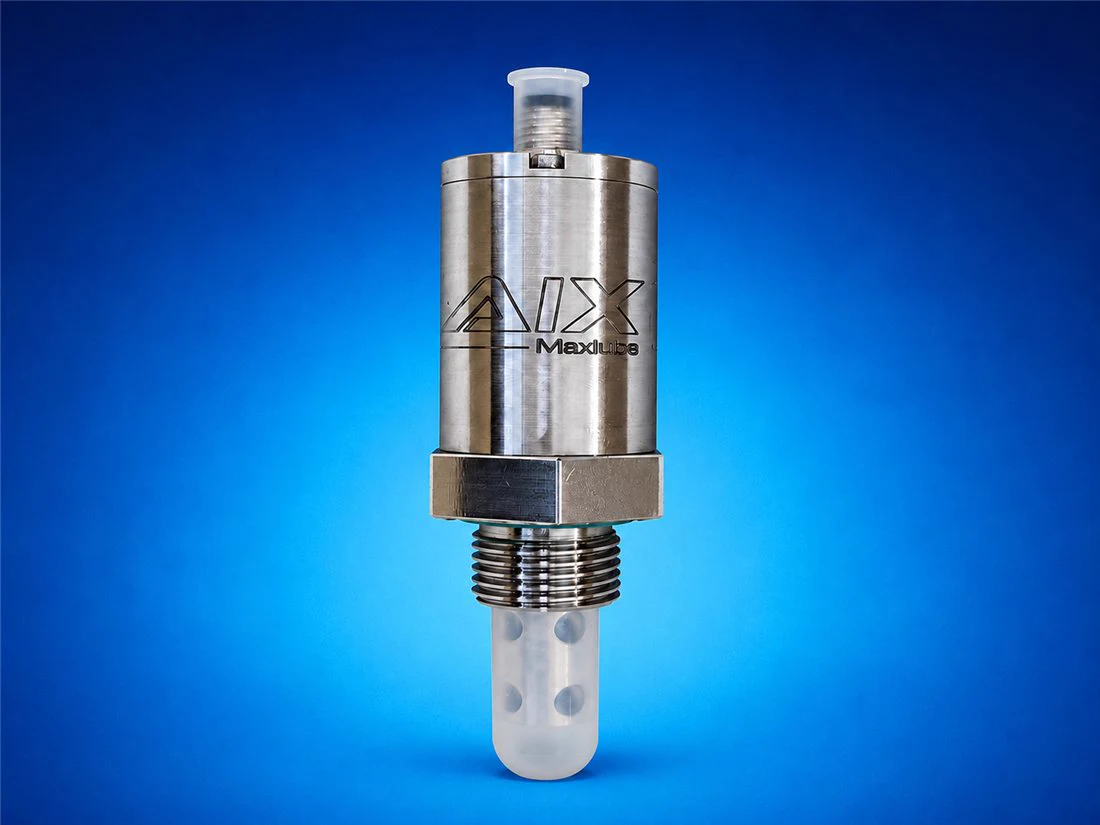
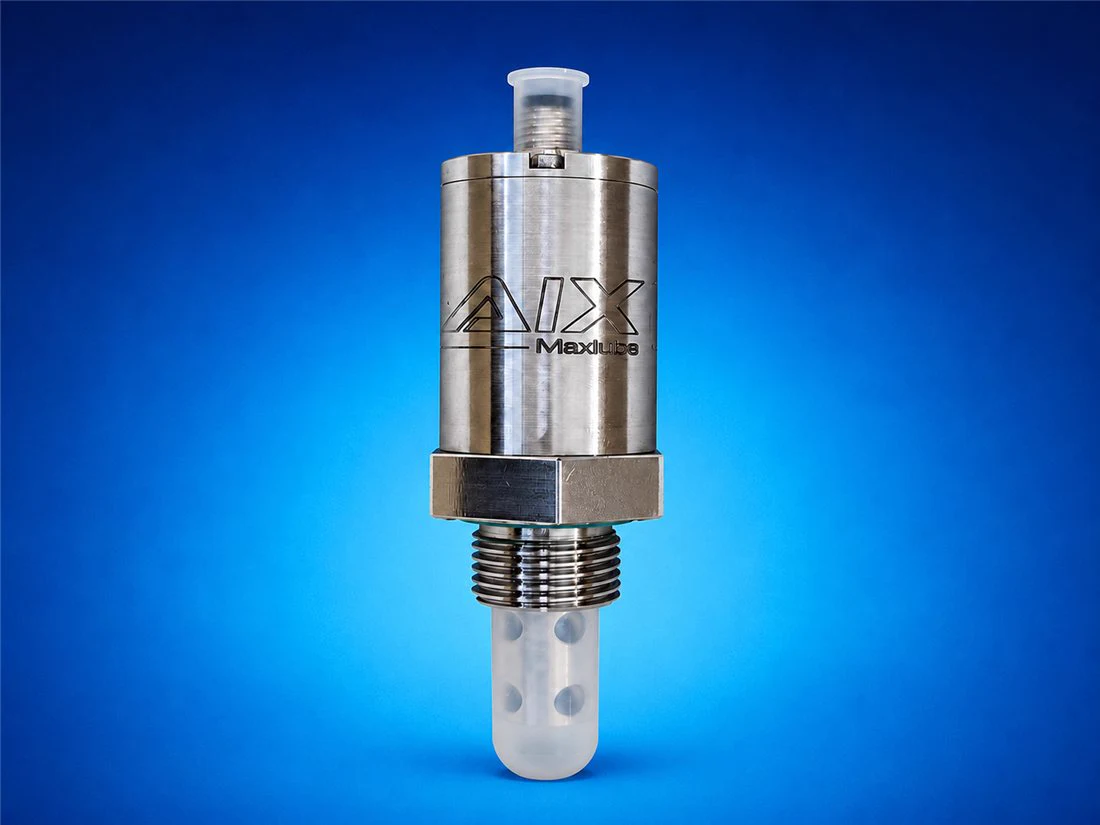
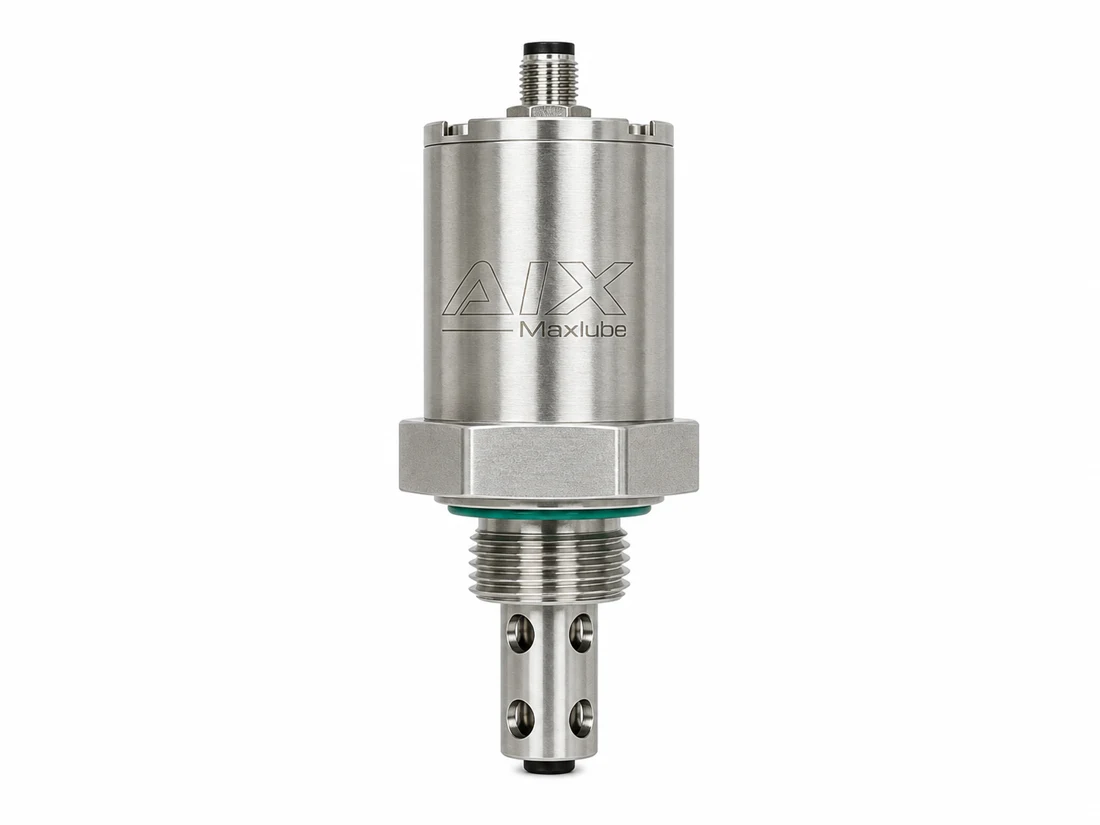
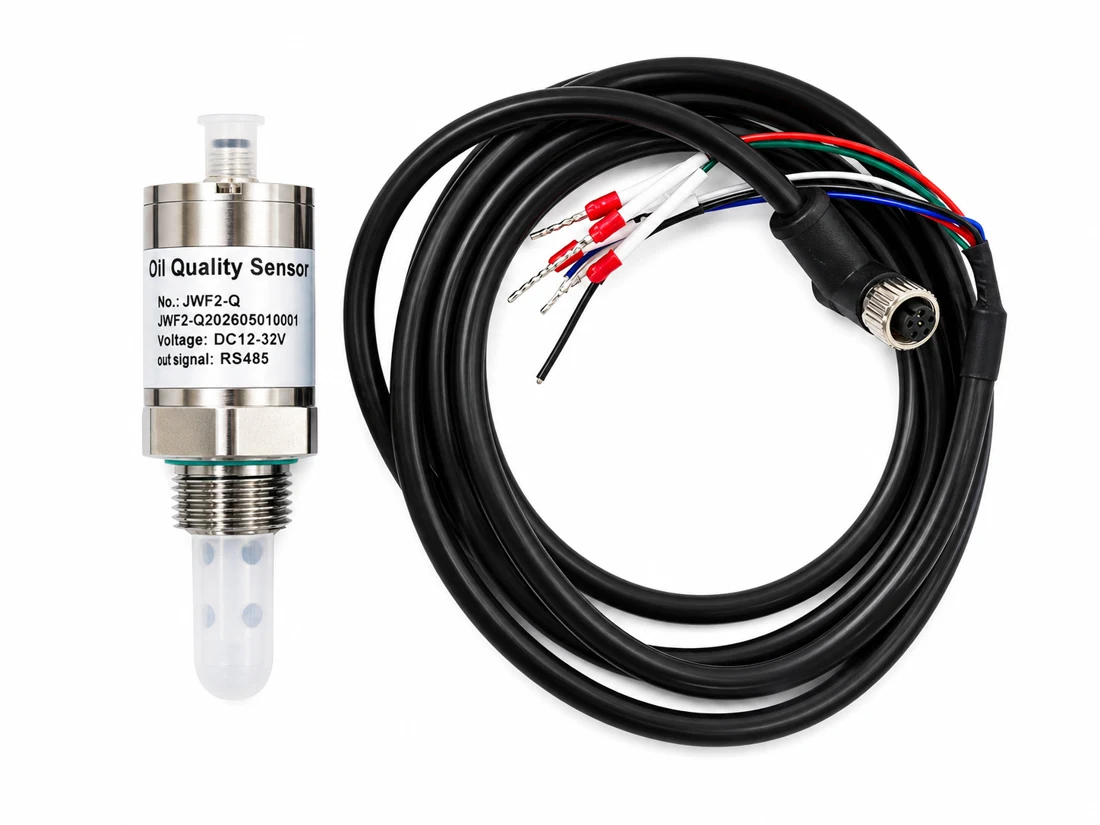
Oil Quality Sensor
Ref. JWF2-Q
A single index of the oil's deterioration state.
1–6quality index
±3%accuracy
0.1%resolution
IP65protection
Overview
All of the oil's deterioration in one 1-to-6 index
Sensitive to oil quality changes, moisture, wear particles, acid value, mechanical impurities and additive cracking, delivering a comprehensive, direct parameter of the oil's deterioration state.
What it measures
What it measures
Quality index
1–6
A single number that sums up the oil's deterioration state.
Temperature
0–100 °C (±0.3 °C)
Attached to every reading for consistent diagnosis.
What the index reflects
acidity, wear, moisture
Also mechanical impurities and additive cracking.
How it works
Measurement principle
Capacitive sensor that monitors the oil's dielectric constant, which changes with moisture, wear particles and acid value.
1
Continuous contactThe sensor follows the oil in operation, no sampling.
2
Sensing element reactionA proprietary sensing structure reacts to the oil's state changes.
3
Internal modelChanges become a single quality index, from 1 to 6.
4
OutputRS485 MODBUS RTU as standard and optional 4–20 mA.
Technical data
Specifications
Code
JWF2-Q
Quality
index 1–6
Temperature
0–100 °C
Output
RS485 MODBUS RTU · optional 4–20 mA
Power supply
DC 12–32 V (RS485)
Installation
G1/2 thread · 316 stainless probe
Dimensions / Weight
Φ30.5×84.4 mm · 165 g
Probe pressure / flow
≤ 1 MPa · ≤ 1 m/s
Protection
IP65
Compliance
EN61000-6-2 · EN61000-6-4
Full specifications in the official datasheet.
From the sensor to your system
Integration & Outputs
◉Oil Quality Sensorinstalled at the measurement point
⇄RS485 MODBUS RTU · optional 4–20 mAopen industrial protocol
🖥PLC / SCADAyour alarms and history, in your standard
RS485 MODBUS RTU · optional 4–20 mA
Common questions
FAQ
What makes the index change?
The oil's deterioration as a whole: acidity, wear particles, moisture, mechanical impurities and additive cracking.
Does it replace dedicated sensors?
It is the basic, direct monitoring indicator, ideal for trend tracking. To quantify a specific quantity, dedicated sensors complement it.
How do I read the result?
The higher the index on the 1-to-6 scale, the greater the deterioration. Reaction to oil state changes is fast and stable.
Which oils is it suited for?
Lubricating, hydraulic, gearbox, insulating and turbine oils, synthetic greases and light and heavy oils in general.