
 Português (BR)
ONLINE 24/7
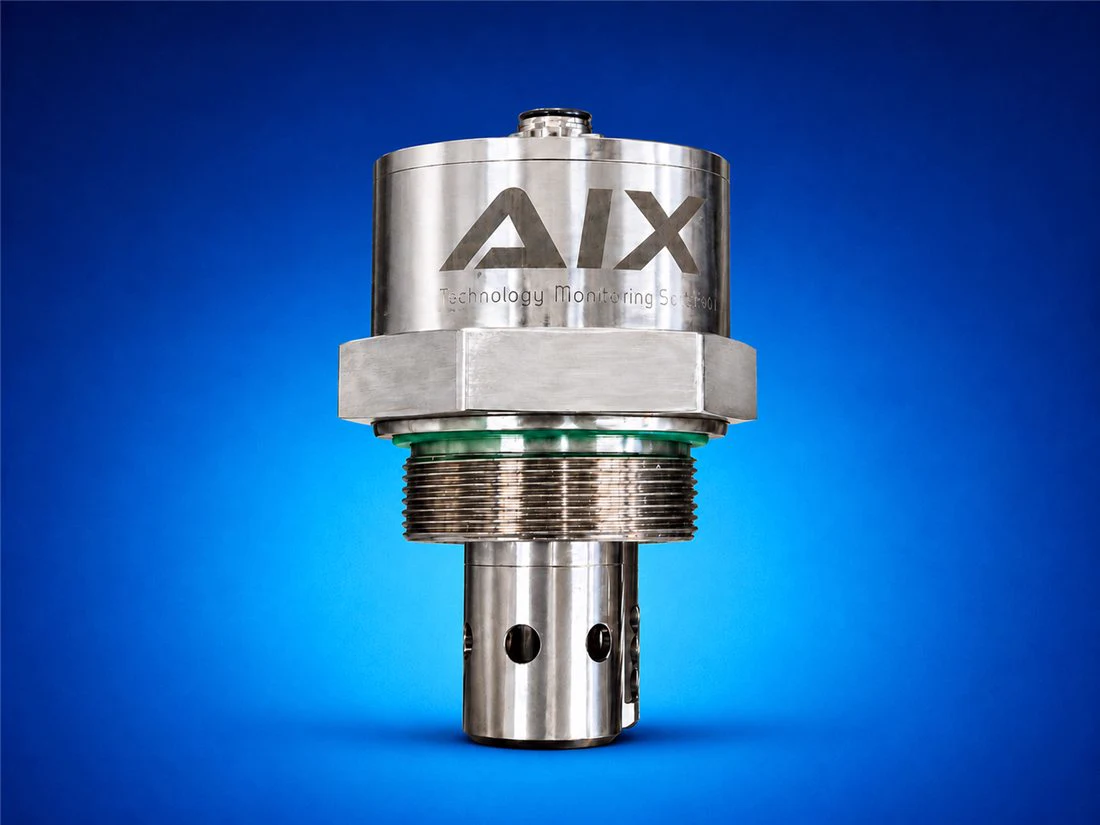
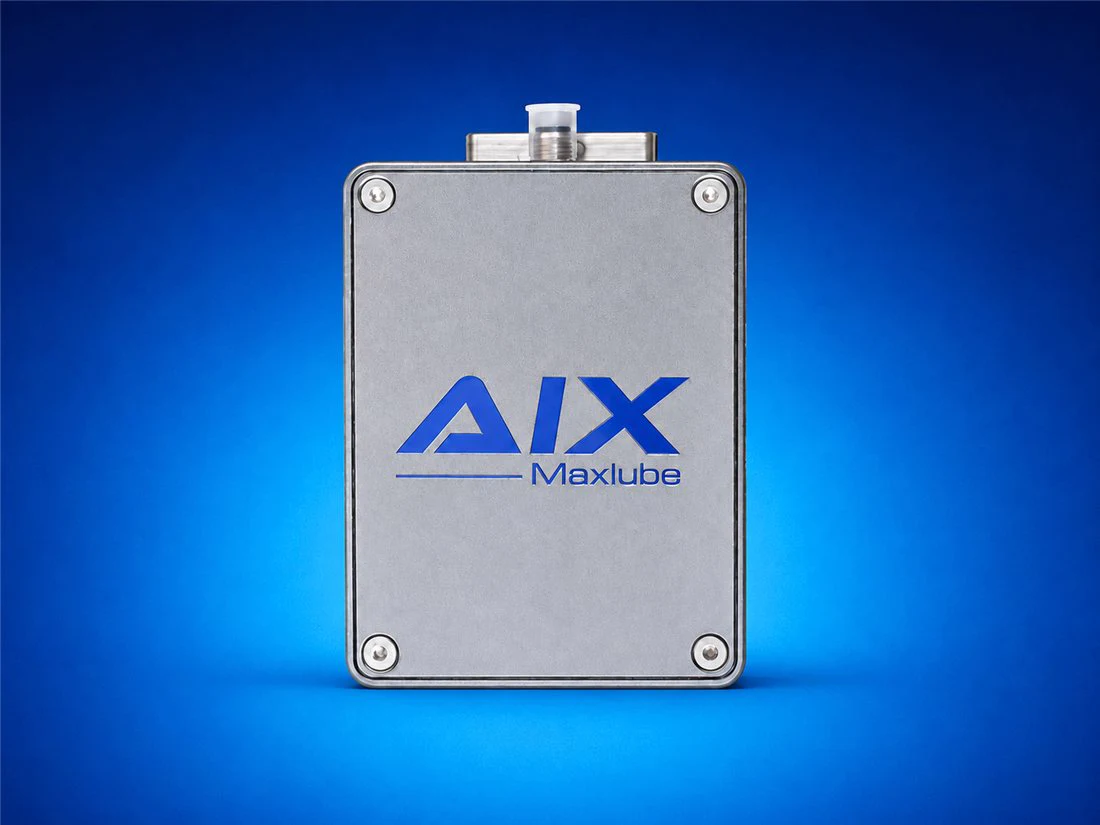
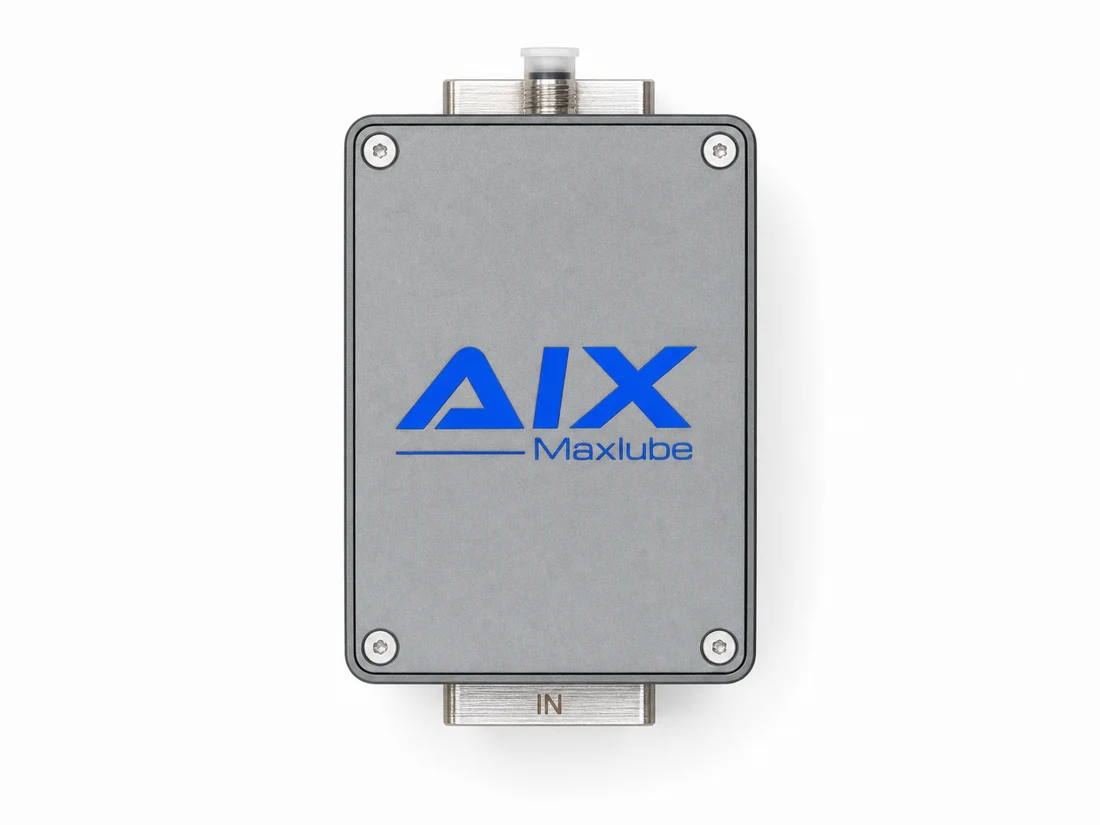
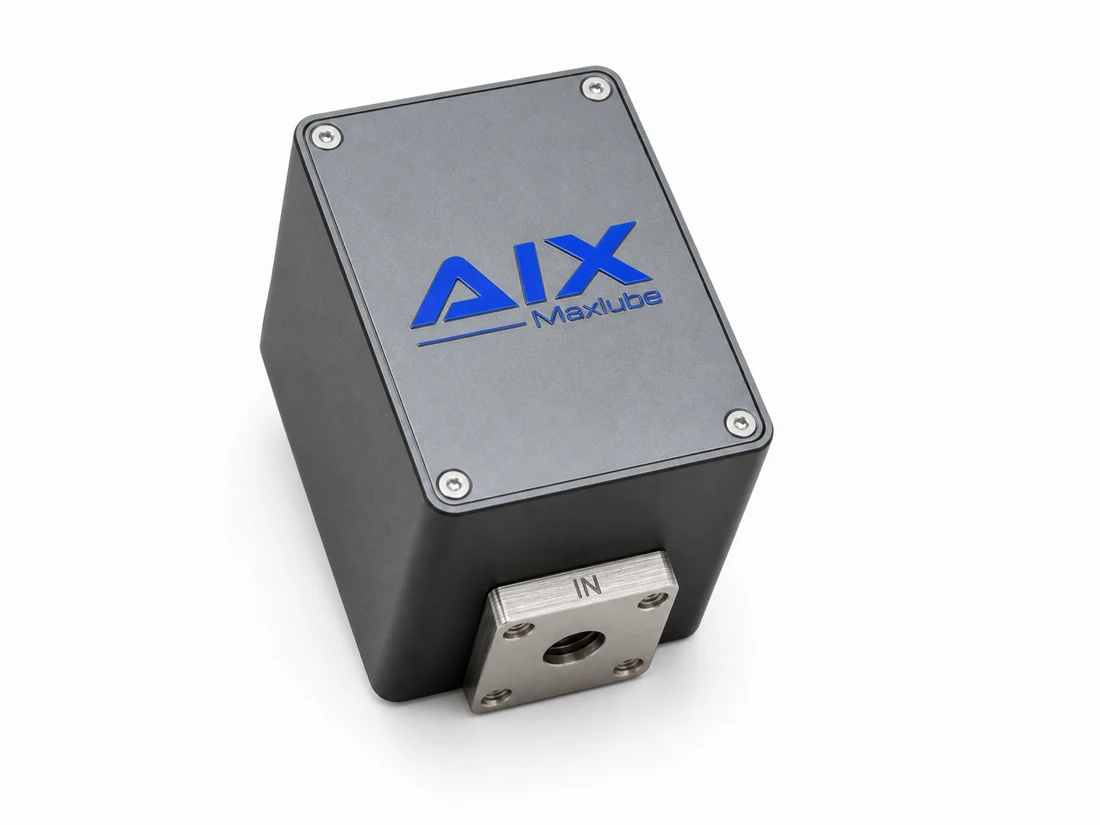
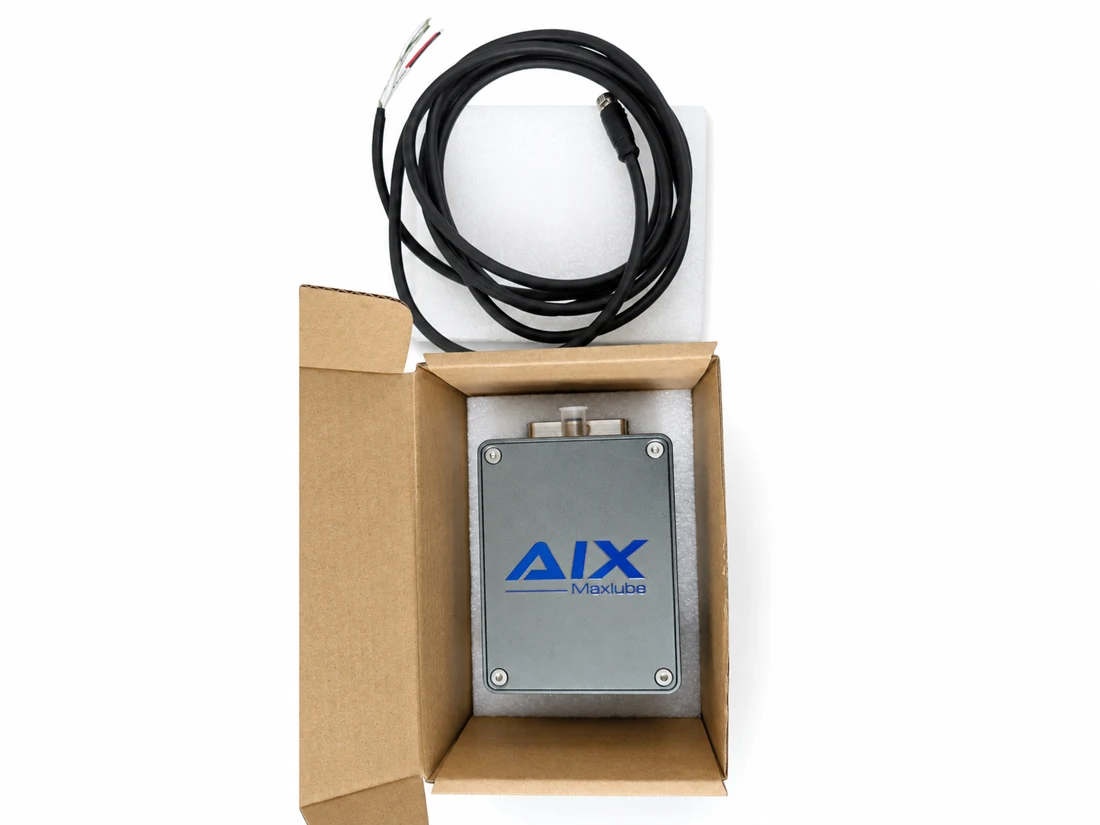
Metal Wear Particle Sensor
Ref. JWM8
Ferrous and non-ferrous metal wear, in real time.
≥ 40 µmferromagnetic particles
≥ 150 µmnon-ferromagnetic
≥ 80%detection rate
24 hcontinuous counting
Overview
Metal wear made visible before failure
High-precision detector with dedicated microprocessing. Counts and classifies metal particles by size range, anticipating abnormal component wear and giving precise support to predictive maintenance.
What it measures
What it detects in the oil
Ferromagnetic particles
5 ranges, from 40 µm
Iron wear debris, counted and classified by size.
Non-ferromagnetic particles
5 ranges, from 150 µm
Non-ferrous wear metals, counted separately.
Detection rate
≥ 80%
Continuous 24-hour counting, without losing wear information.
How it works
Measurement principle
Three-coil electromagnetic induction principle that detects and classifies ferrous and non-ferrous particles by size range.
1
Flow through the probeOil crosses the magnetic field of the sensor's three coils.
2
Electromagnetic inductionEach metal particle disturbs the field and generates its own signature.
3
ClassificationThe sensor tells iron from non-iron and sorts particles by size range.
4
Digital outputWear information travels reliably over RS485 MODBUS RTU.
Technical data
Specifications
Code
JWM8
Ferrous particles
≥ 40 µm
Non-ferromagnetic
≥ 150 µm
Size channels
up to 15
Counting
24 h continuous
Output
RS485 MODBUS RTU
Power supply
DC 24 V ±10% · < 100 mA
Counting period
300–3600 s adjustable
Installation
M14×1.5 thread · Φ8 mm oil path
Dimensions / Weight
108×70×80 mm · 1.5 kg
Pressure / Flow
≤ 1 MPa · 0.3–0.9 L/min (0.1–2 m/s)
Compliance
EN61326-1 · EN61326-2-3 · ICES-003 B
Full specifications in the official datasheet.
From the sensor to your system
Integration & Outputs
◉Metal Wear Particle Sensorinstalled at the measurement point
⇄RS485 MODBUS RTUopen industrial protocol
🖥PLC / SCADAyour alarms and history, in your standard
RS485 MODBUS RTU
Common questions
FAQ
Why separate ferromagnetic from non-ferromagnetic particles?
Because they point to different wear origins. The sensor detects both families simultaneously, from 40 µm and 150 µm respectively, each in 5 size ranges.
Does it run continuously?
Yes. Counting is continuous, 24 hours, with IP65 protection and operation from -20 °C to 70 °C.
How does data reach my system?
Through the RS485 MODBUS RTU digital output, with stable transmission to the acquisition system.